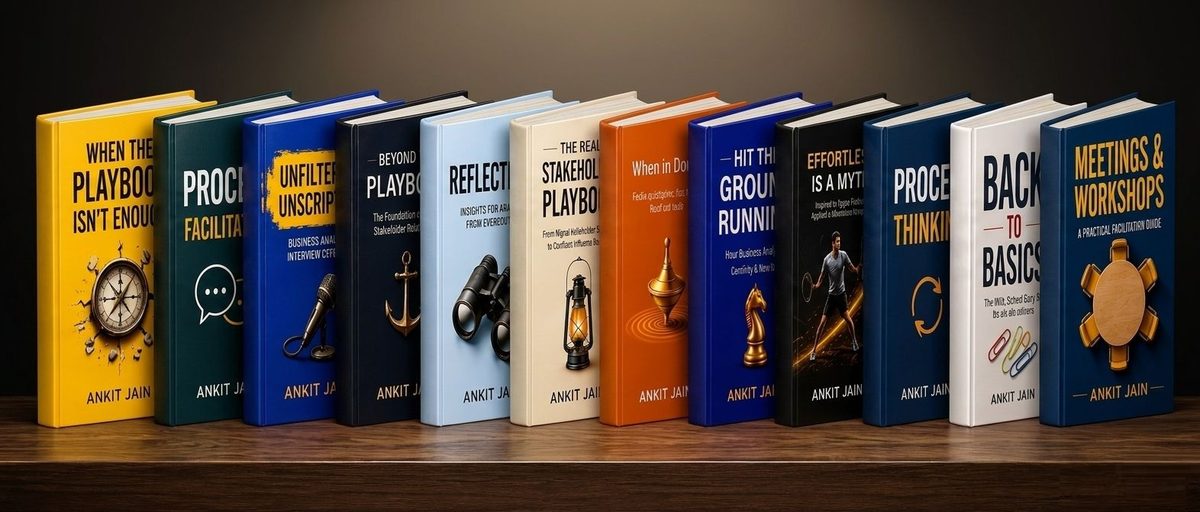
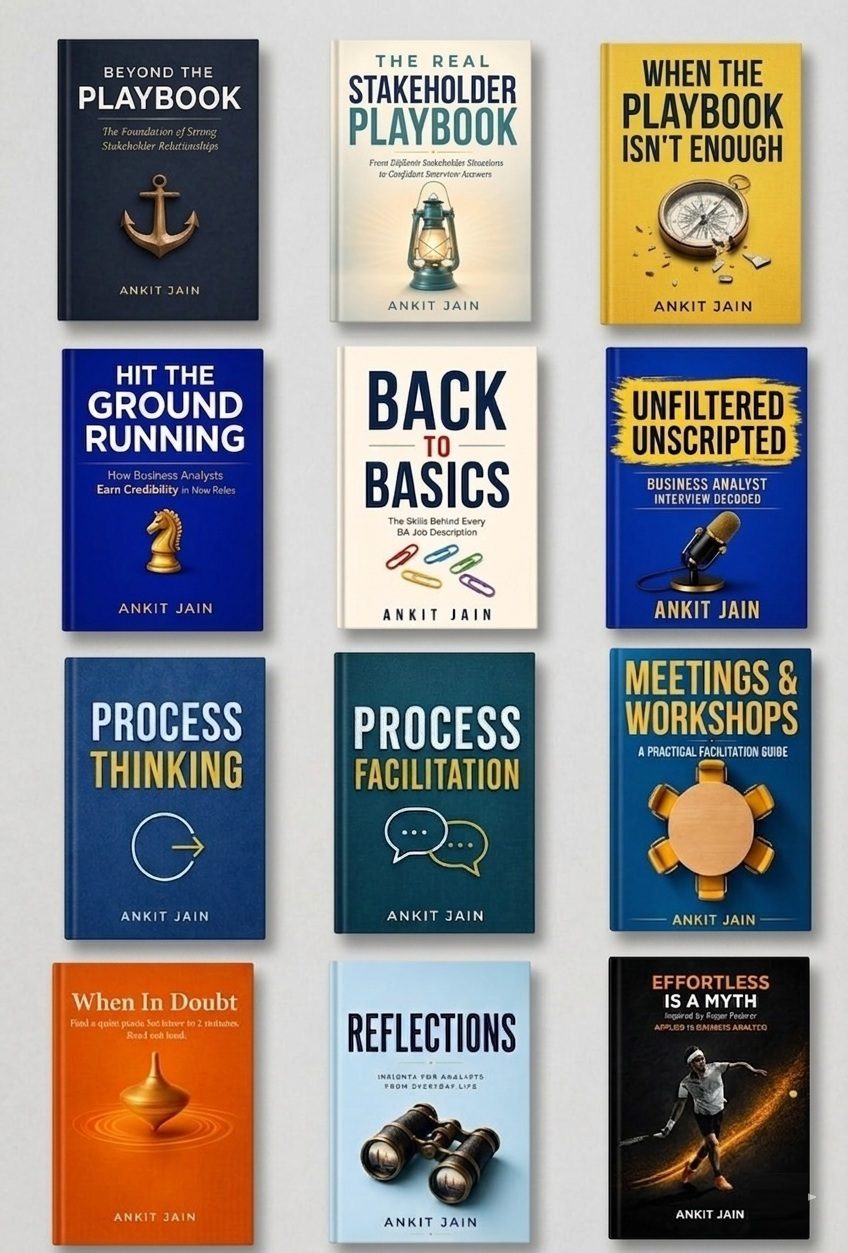
A collection of books dedicated to the craft of Business Analysis. Written for practitioners who believe that stakeholder relationships shape everything. Each book explores a different dimension of the work: how to build trust, navigate complexity, facilitate rooms, think in process, prepare for interviews, and find your footing when the pressure is real.

You don't need to read them all. You don't need to read them in order. Start with the journey that speaks to your situation right now, and let it lead you forward.
You just started. The project was already moving. You need to find your footing without looking lost.
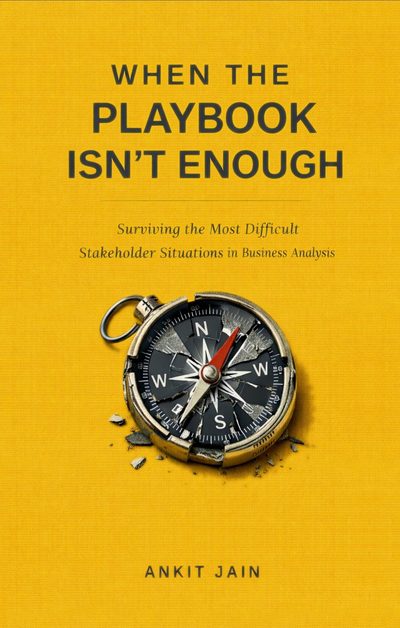
The relationships feel harder than they should. Trust is thin. Conversations aren't going anywhere.
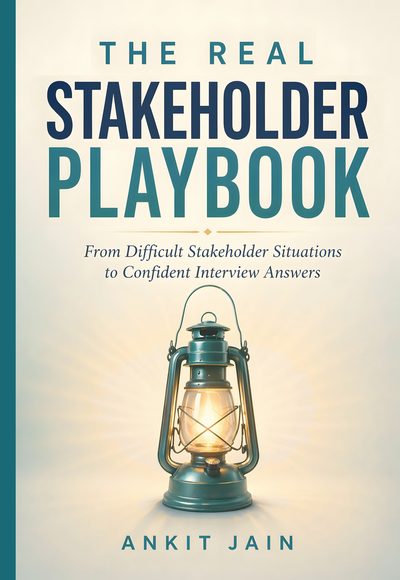
You have an interview coming up and you want to walk in sharp, not scripted.
You're mapping processes but something feels mechanical. You want depth, not just diagrams.
You're tired, doubting yourself, or feeling disconnected from the work you used to enjoy.
Written for the work you do every day. Not theory. Not templates. The real thing.

Your stakeholder already knows what they need. The problem is, most BAs never create the conditions for that knowledge to surface. This book covers the essential fundamentals: elicitation, translation, analytical thinking, facilitation, and navigating disagreements. What makes it different is the premise that stakeholder relationships are not a task you manage but the foundation everything else depends on.

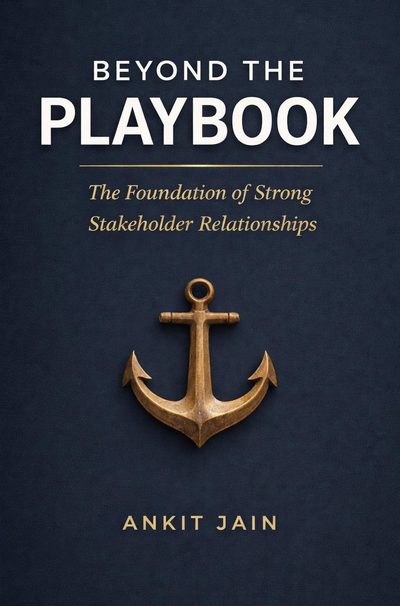
"Engage the stakeholders" appears in every job description. But what does it actually mean when the executive sponsor's calendar blocks you for weeks, or the engineer stops contributing? This book profiles 25 specific roles and breaks down the motivations, frustrations, personality variants, and engagement techniques for each.

Everything on paper looks functional. The requirements are documented. The ceremonies are running. And yet the project has stopped moving. This book addresses the uncomfortable realities: the stakeholder who went quiet, the decision that got reversed, the meeting that turned tense.

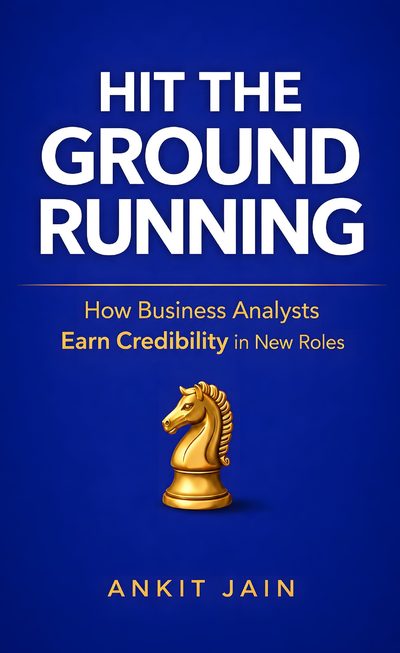
There is a moment in the first forty-eight hours of a new role when an unspoken truth settles in: the project did not begin when you arrived. The backlog was shaped before you saw it. The relationships have a history you were not part of.

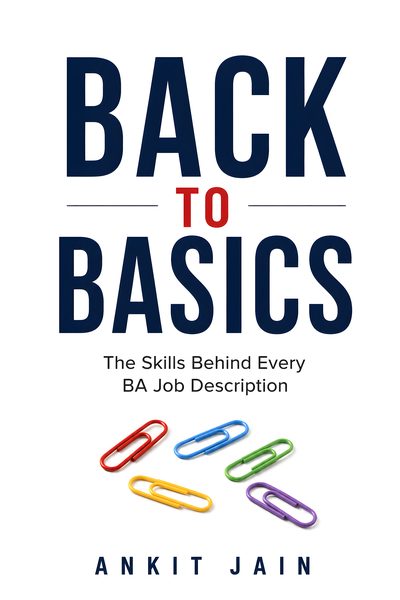
Fundamental skills that appear in every BA job description: from navigating ambiguity to handling pressure, from attention to detail to collaborating across teams. This one shows you how to build them as habits and protect them under pressure.

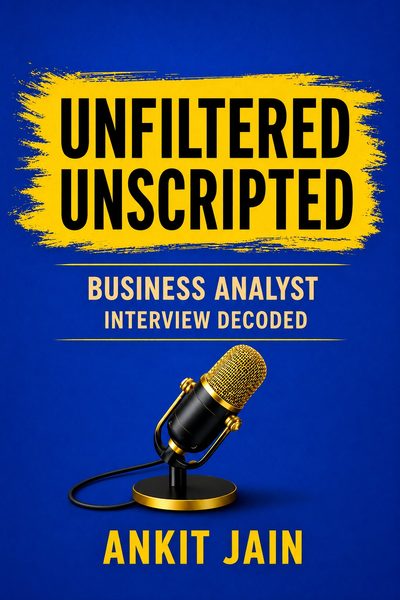
Most interview books hand you scripted answers. This one probes into the intent behind the questions themselves. The INTER framework replaces STAR with a structure built for how BAs think. Sixty questions across six dimensions, scenario cards, a CV decoder.

Understanding a process and drawing a process are two completely different activities. This book shows you how to develop deep process thinking as a core habit.

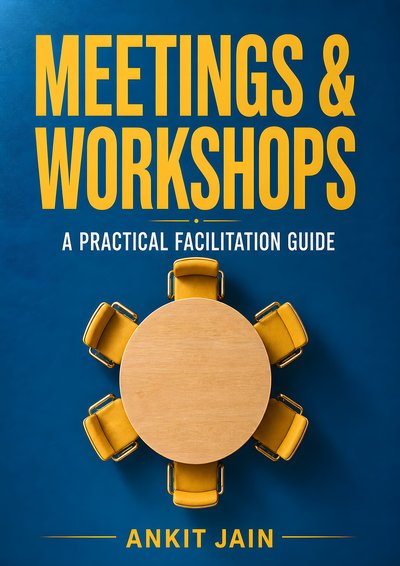
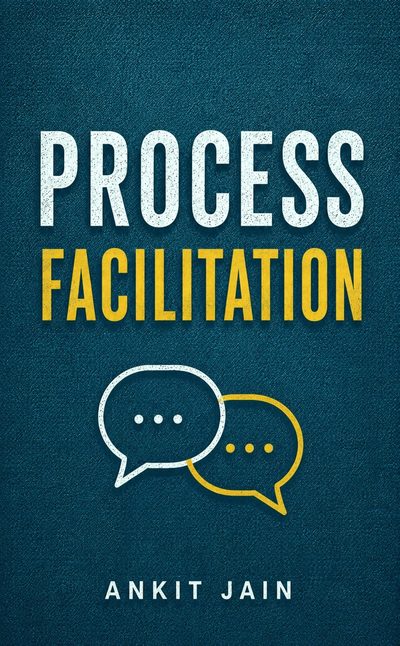
Practical tools to elevate your live whiteboard exercises. Designing the session, reading the room, reaching the person who hasn't spoken, capturing what matters while it moves.

Every configuration: one-on-ones, groups of five, fifteen or more, senior leadership, hybrid settings, hostile rooms, and the workshop where nothing changes.
Not for the days when everything is going well, but for the days when you are questioning yourself. Each chapter begins with a familiar question. Fifty chapters across five emotional arcs: Recognition, Confrontation, Resistance, Reckoning, and Return.


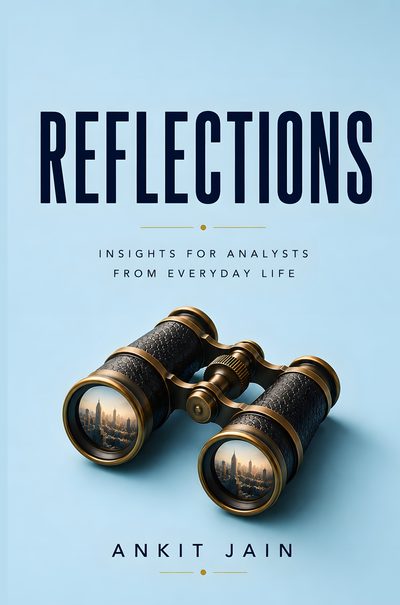
The most unusual book in the collection. BA lessons from baristas, firefighters, carpenters, judges, and forty other professionals. Business analysis is everywhere around us.

Federer's Dartmouth speech sounded like tennis advice. Through a BA lens, it resonates with remarkable precision. Discipline behind what looks like ease. Grit over gift. The next point mentality.
They don't hand you templates to fill in or frameworks to memorise and forget. They sit with you inside the moment: the meeting that just went sideways, the stakeholder who stopped responding, the process nobody can explain clearly, the interview question you weren't expecting, the first week in a role where everyone already knows each other.
Every book is written from the inside of the work, not from above it. The frameworks emerged from practice, not from theory. The advice assumes you are already smart enough to do this job and focuses on the parts that intelligence alone doesn't solve: judgment, timing, trust, composure, and the ability to make other people feel heard.
The through-line across every page is this: the quality of your stakeholder relationships determines the quality of your outcomes. Everything else flows through the relationships you build. These books help you build them deliberately.
The INTER/VIEW frameworks, 60 questions dissected across six dimensions, scenario cards, CV decoder, and day-before checklist. Built from the ground up for how BAs actually interview.
25 role profiles from Executive Sponsor to Vendor, each mapped with motivations, frustrations, personality variants, engagement patterns, and do/don't lists from real project experience.
Process patterns across multiple families, the As-Is Extraction Framework, To-Be Builder, State Change Lens, Friction Lens, and flow-to-requirements translation.
Session guidance by group size, format, and complication. Opening moves, recovery techniques, post-session actions. The guide you open two minutes before the room fills up.
A chapter-by-chapter companion for the first 90 days, from "the project started without you" through to "the moment they start involving you."
Two-minute guided readings across five emotional arcs. Mastery lessons inspired by Federer. Observation practices drawn from firefighters, surgeons, carpenters, and judges.


A Business Analysis practitioner and author with over twenty years of experience specializing in stakeholder engagement, facilitation, and process discovery.
His work focuses on the human side of Business Analysis, exploring the conversations, relationships, judgment, and influence that shape outcomes. While frameworks and methodologies provide structure, Ankit believes the true craft of Business Analysis lies in understanding people, navigating complexity, and creating alignment where it matters most.
Through his books, Ankit shares practical insights drawn from real world experience, helping analysts build trust, work effectively across diverse stakeholder groups, and lead with greater confidence and impact. As AI continues to automate many analytical tasks, his work champions the distinctly human capabilities that remain at the heart of the profession.